The Business Case for Switching to Biomass Pellets: ROI, Savings & Sustainability

TWMC
October 5, 2025
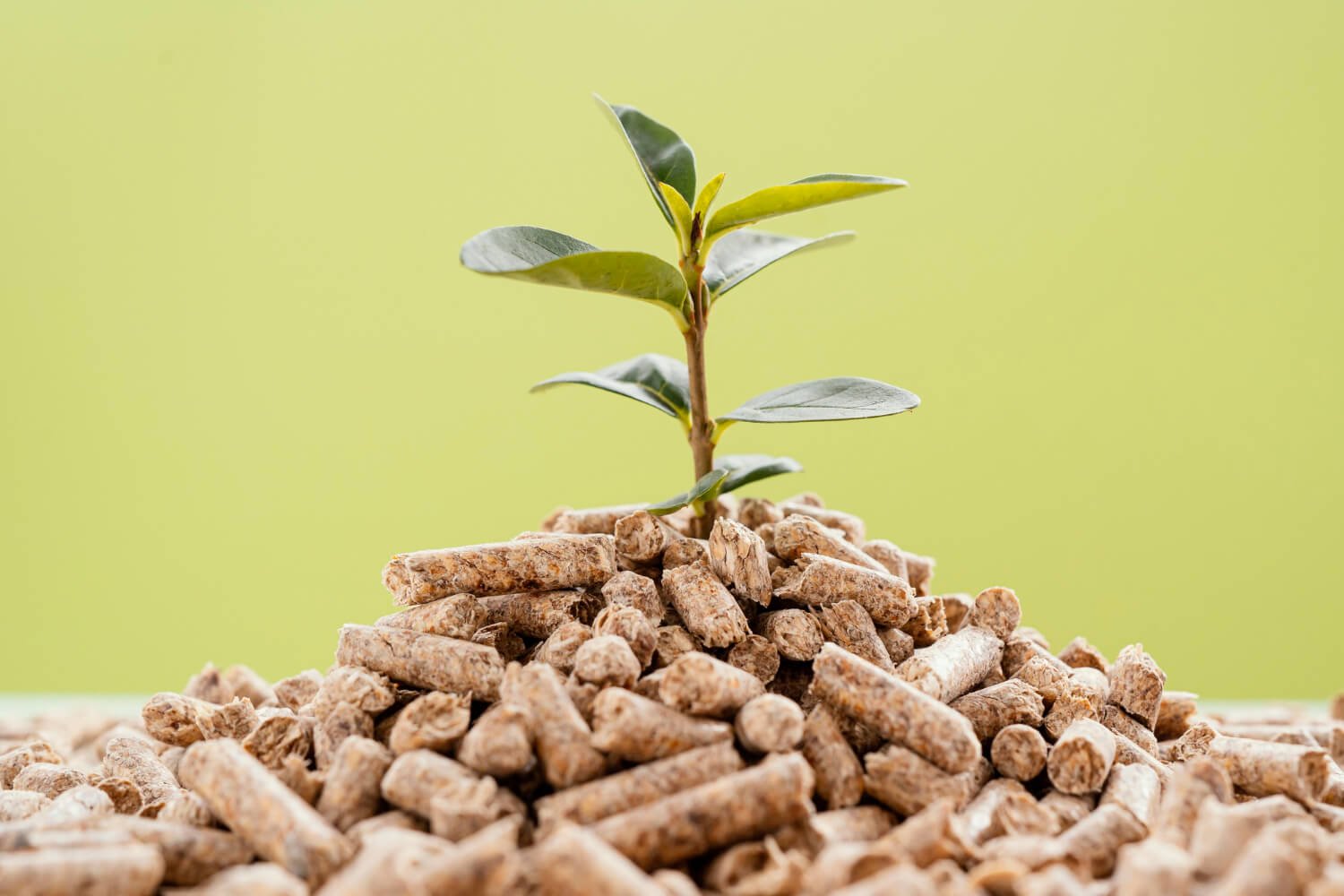
In a world increasingly burdened by pollution and waste, the idea of turning agricultural trash into a renewable source of clean energy sounds revolutionary—and it is. At TWMC, we’re at the forefront of this transformation, proving every day that what was once discarded can now power industries.
Let’s dive into how biomass—specifically, agro-based waste—can reshape India’s energy future, one pellet at a time.
Biomass is organic material derived from living or recently living organisms—commonly from plants, crop residues, sawdust, husks, or forestry waste. When processed properly, it becomes an efficient and eco-friendly substitute for coal and other fossil fuels.
For India, with its vast agricultural economy, this presents a massive opportunity to repurpose waste like:
These are no longer just “waste.” They are fuel.
Unlike raw biomass, which may burn inefficiently or cause emissions, TWMC biomass pellets are scientifically engineered to:
We collect, process, compress, and densify agricultural waste into standardized fuel pellets—easy to store, transport, and use.
This isn’t just a manufacturing process—it’s an ecosystem built on circular economy principles.
Burning biomass pellets instead of coal can reduce carbon dioxide emissions by up to 80%, helping industries meet ESG goals and governments achieve NDC targets under the Paris Agreement.
At TWMC, we don’t just make fuel—we make change.
Yes—and no. While biomass is not yet a full replacement for coal in certain energy-intensive sectors, it has proven to be a viable, reliable, and cost-effective partial substitute in:
Every ton of coal replaced by TWMC biomass pellets is a step toward a greener industrial India.
By collecting agricultural waste directly from farmers and rural processors, we create:
This is more than fuel. It’s rural empowerment in action.
Biomass isn’t just the future of energy—it’s the present answer to a cleaner, more sustainable industrial ecosystem. TWMC’s mission is to lead this transition by delivering high-quality, emission-compliant biomass fuel that industries can rely on.
We don’t see waste. We see opportunity, energy, and a better world.