The Business Case for Switching to Biomass Pellets: ROI, Savings & Sustainability

TWMC
October 8, 2025
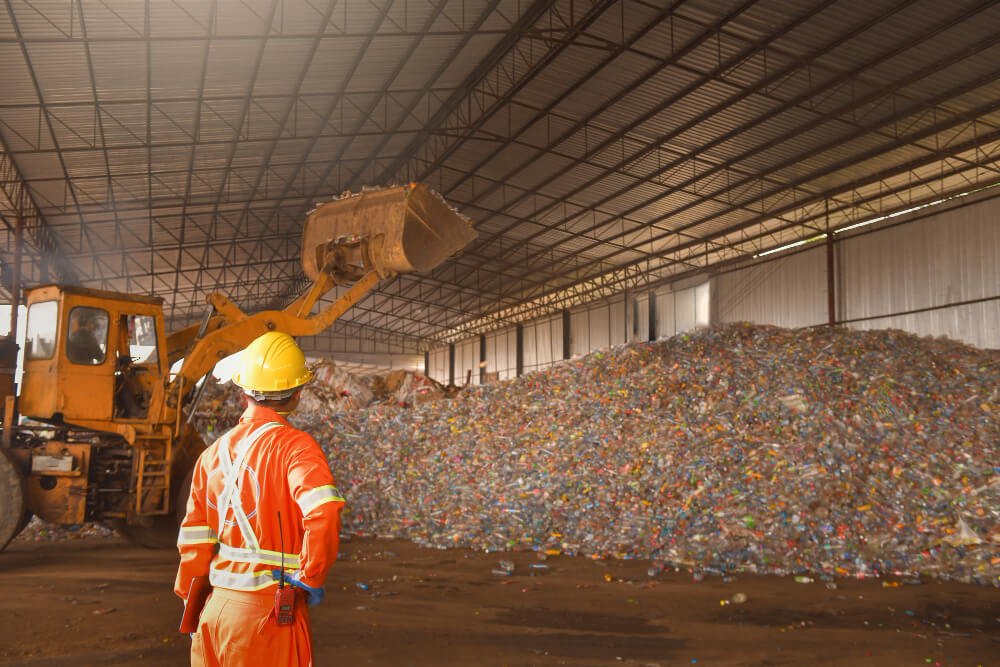
India generates over 160,000 metric tonnes of solid waste daily, and this figure is only rising. While municipalities grapple with rising urban populations and strained resources, public-private partnerships (PPPs) are emerging as the most viable model to scale up waste management infrastructure sustainably.
The idea is simple: Government brings the problem. Private sector brings the innovation. Together, they build systems that treat waste as an opportunity—not a burden.
A Public-Private Partnership (PPP) is a contractual agreement between a public body (like a municipal corporation or state government) and a private entity, where the private player finances, builds, operates, or maintains a service or facility traditionally run by the government.
In solid waste management, this includes:
PPP Model | Description | Example |
Build-Operate-Transfer (BOT) | Private builds and runs, then transfers to government | Waste-to-energy plants |
Design-Build-Operate (DBO) | Government owns, private designs/builds/runs it | Composting facilities |
Concession Model | Private collects user fees during contract period | Citywide collection contracts |
Joint Venture (JV) | Government & private both invest & operate | Integrated SWM projects |
Service Contract | Short-term contract for specific function | Door-to-door collection |
India’s cleanest city owes its sanitation success to a robust PPP model involving multiple private players handling collection, processing, and disposal.
A classic BOT model where the private firm converts 1,200+ tonnes of waste per day into electricity.
PPP agreements with companies like TWMC have enabled conversion of urban waste into biofuel pellets, reducing landfill burden and creating sustainable energy.
Despite its promise, PPP in solid waste faces hurdles:
However, with proper planning, community engagement, and transparent bidding processes, these can be mitigated.
TWMC has been actively involved in biomass fuel and RDF pellet production projects under PPP frameworks. We partner with:
Our approach ensures a circular economy, where waste is transformed into wealth, and municipalities achieve both green compliance and revenue generation.
India’s waste problem is also its energy opportunity. With the right PPP models, cities can:
TWMC invites government bodies, CSR initiatives, and infrastructure firms to join hands in building India’s cleaner, greener future—one PPP at a time.