The Business Case for Switching to Biomass Pellets: ROI, Savings & Sustainability

TWMC
October 9, 2025
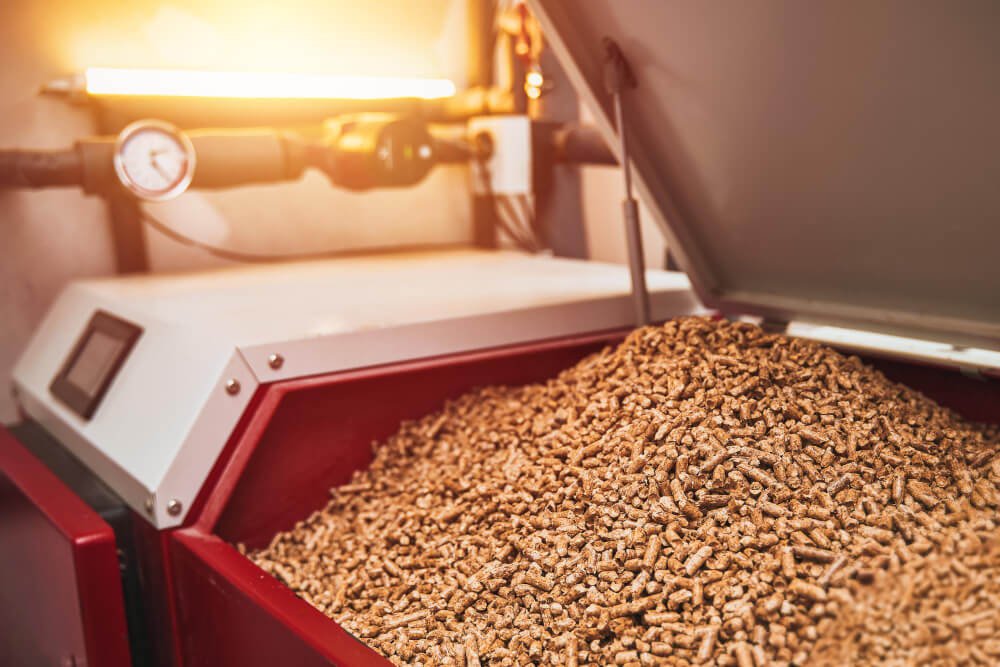
At TWMC, we look at agricultural waste, garden waste, and non-recyclable biomass not as garbage—but as potential energy.
Through our state-of-the-art waste-to-energy infrastructure, we convert tons of discarded organic material into dense, energy-rich fuel pellets that serve as a cleaner alternative to coal and diesel for industries across India.
In this blog, we unpack the step-by-step process TWMC follows to turn waste into opportunity—and power into progress.
TWMC sources raw material from:
We follow strict selection protocols to ensure:
The raw biomass undergoes:
This stage ensures high efficiency and minimal emissions in the final product.
Once dried and cleaned, the biomass is compressed using specialized pellet mills.
Key features of our pelletization:
These pellets are dense, dry, and pack significant energy in small volume—ideal for bulk supply and storage.
Every TWMC batch goes through:
We maintain detailed logs and offer batch-wise certification for industries and government bodies using our fuel under formal contracts or policies.
Pellets are then:
We also offer scheduled long-term supply contracts, ensuring uninterrupted access for operations dependent on thermal energy.
✅ No harmful emissions – Our RDF is made only from clean organic waste
✅ Rural livelihood support – Our sourcing model supports farmers & waste pickers
✅ Urban waste management – We work in PPP models to reduce landfilling
✅ Circular economy champion – Nothing goes to waste, everything is repurposed
✅ Scalable infrastructure – Capable of handling municipal waste for cities
What was once waste is now fueling industries, powering public systems, and helping India move towards cleaner energy goals.
At TWMC, our technology, people, and partnerships all work towards one mission: Making India cleaner and greener, one pellet at a time.
📞 Want to partner with TWMC or source our biomass fuel? Click here to get a custom quote →