The Business Case for Switching to Biomass Pellets: ROI, Savings & Sustainability

TWMC
October 9, 2025
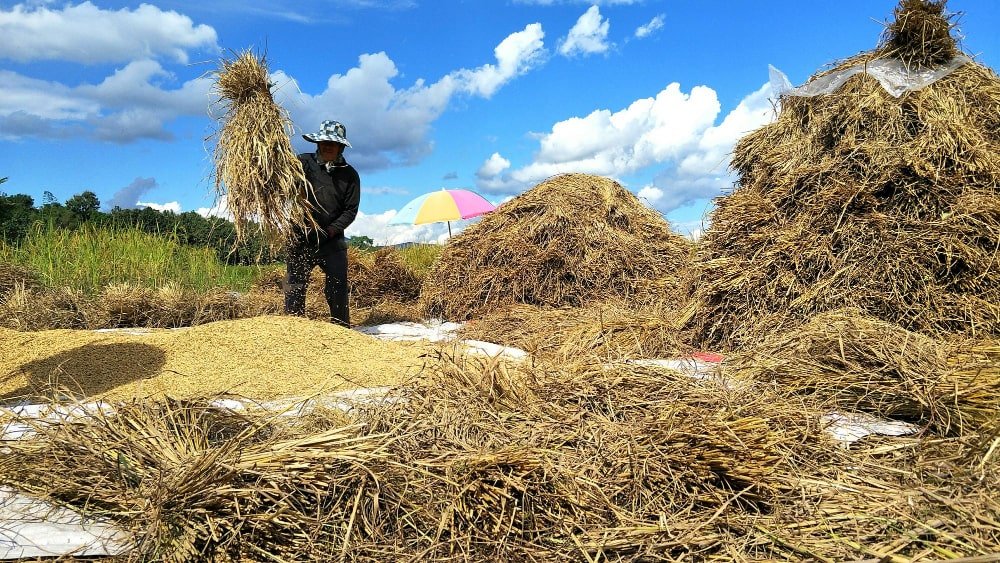
While clean energy conversations often revolve around high-tech solar farms or massive wind turbines, there’s a quiet revolution happening in the fields and villages of India—driven by biomass.
Biomass fuel supply chains are emerging as powerful engines of rural economic development, connecting farmers, agri-waste collectors, pellet manufacturers, and logistics providers in a loop that’s as profitable as it is sustainable.
At TWMC, this isn’t just a theory. It’s how we work—daily.
For years, agricultural by-products like paddy straw, mustard husks, peanut shells, sawdust, and dry leaves were either burnt or left to rot—causing pollution and wasting potential.
Now, with structured procurement and fair buying practices, TWMC is turning this agri-waste into economic opportunity.
Every kilo of biomass we buy is money in the pockets of farmers, villagers, and rural workers—who were previously left out of India’s energy economy.
Our supply chain model creates jobs at every step:
This creates a complete ecosystem where the rural workforce is no longer just a raw material supplier, but a critical stakeholder in India’s clean energy growth.
Here’s how our biomass supply chain promotes sustainability:
✅ Zero Waste Ethos: We turn agri-waste into fuel instead of landfill material.
✅ Low Carbon Logistics: Local sourcing = reduced emissions.
✅ Community Involvement: Villagers are trained in waste sorting and biomass handling.
✅ Income Diversification: Farmers earn even after harvest by selling residue.
✅ Environment + Economy: We reduce stubble burning and increase rural cash flow.
This isn’t charity. It’s smart economics fused with sustainability.
In one of our partner clusters in Madhya Pradesh:
From village to industry, the loop is complete.
Rural India has the raw materials, the people, and the resilience.
Urban India has the industries, the need for energy, and growing sustainability mandates.
Biomass supply chains bridge this gap—and brands like TWMC make that bridge strong, scalable, and reliable.
In the process, we’re not just replacing coal—we’re redefining how rural India earns, contributes, and thrives in a net-zero future.
The next time you hear of “clean fuel,” think beyond labs and tech parks.
Think of villages where residue becomes revenue, and waste becomes wealth.
TWMC is building the biomass backbone of India’s energy future—with the hands and hopes of rural India leading the way.
📞 Want to build a pellet unit in your district? Or become a rural supply partner?
Reach out to TWMC →