The Business Case for Switching to Biomass Pellets: ROI, Savings & Sustainability

TWMC
October 9, 2025
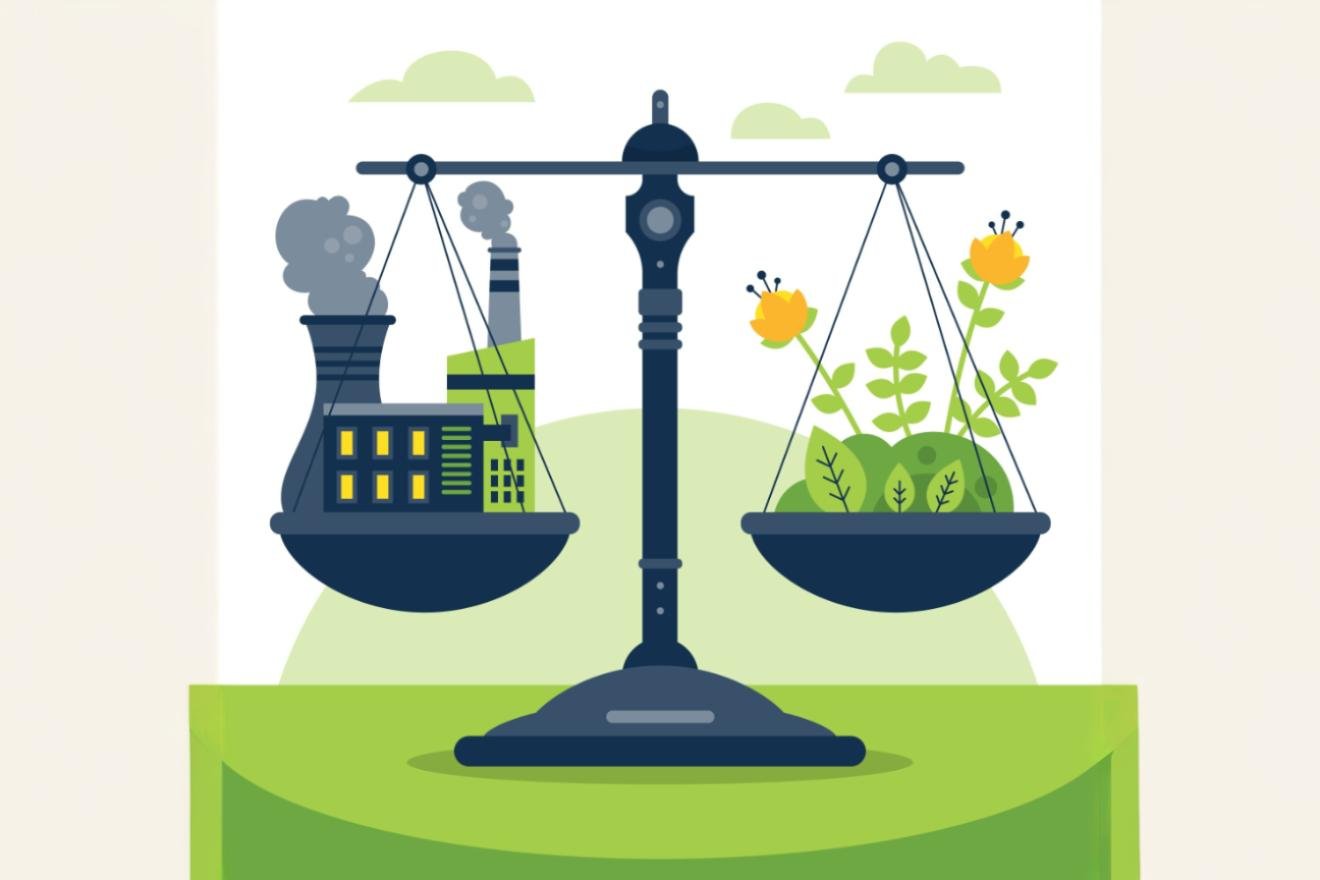
Sustainability is no longer a CSR checkbox—it’s becoming a business imperative.
From cost volatility in coal to government emission mandates, industries across India are looking for alternatives that are both green and economically viable.
That’s where TWMC biomass pellets come in.
They don’t just reduce your carbon footprint—they optimize your operational costs and improve long-term profitability.
Let’s break down the business case.
Let’s talk numbers.
While the per-ton cost of biomass pellets might look similar or slightly higher than coal, the real metric that matters is cost per kilocalorie (kCal).
TWMC’s biomass pellets offer:
With minimal heat loss and higher efficiency, you get more energy per rupee, especially when boiler systems are optimized for pellet combustion.
Coal combustion leads to:
TWMC pellets:
This means lower maintenance costs, fewer disruptions, and higher uptime—directly improving your bottom line.
As environmental norms tighten, coal users face:
Switching to biomass pellets:
Many states are already encouraging biomass adoption through:
Coal prices fluctuate with:
Biomass, on the other hand:
TWMC offers long-term supply contracts, ensuring pricing predictability and supply security for years.
India’s growing carbon trading ecosystem allows green manufacturers to:
By switching to biomass pellets, you can earn credits that become tradable financial assets—turning your clean shift into a revenue opportunity.
Today’s customer—whether B2B or end-consumer—cares about sustainability.
Switching to green fuel boosts:
It’s not just fuel. It’s a marketing advantage.
Unlike solar or wind, switching to biomass:
You don’t need to redesign your factory—just refuel it smarter.
One of TWMC’s clients—a large-scale brick kiln in Madhya Pradesh—shifted from coal to biomass pellets in early 2023.
Results in 6 months:
This success story is one of many—and proves that green choices can be great business decisions.
Biomass pellets offer a rare trifecta:
✅ Lower operational cost
✅ Higher compliance & reputation
✅ Better long-term returns
At TWMC, we don’t just sell pellets—we deliver performance, reliability, and economic value.
Ready to turn your fuel into a profit center?