The Business Case for Switching to Biomass Pellets: ROI, Savings & Sustainability

TWMC
October 9, 2025
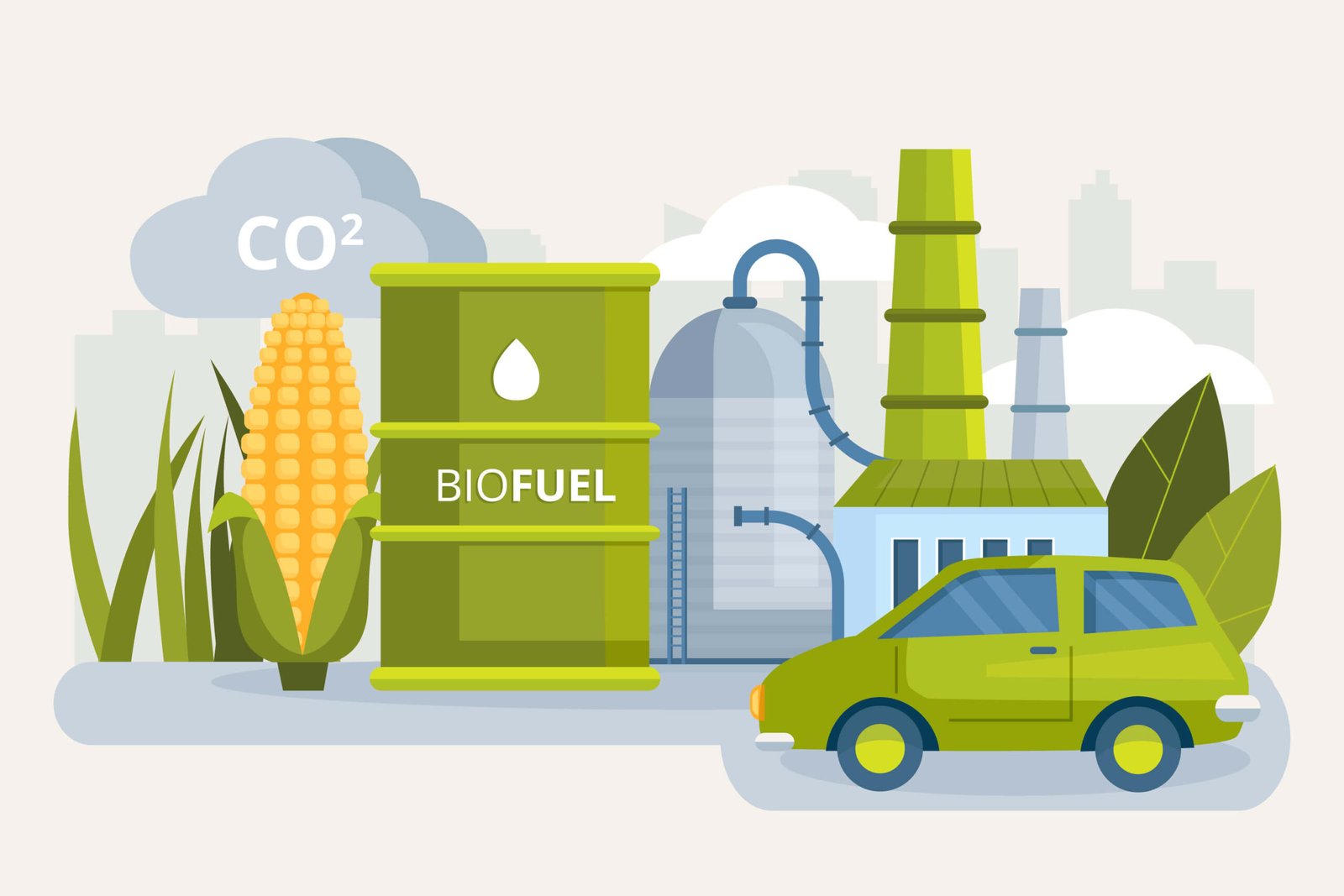
India has committed to achieving net-zero carbon emissions by 2070—a bold and necessary move to tackle climate change while balancing growth.
But to reach that goal, clean energy sources must scale rapidly—and not just the flashy ones like solar or wind.
Enter biomass fuel: a climate-smart, emission-compliant, and industrial-ready energy source that can play a pivotal role in India’s low-carbon transition.
Net-zero doesn’t mean zero emissions.
It means offsetting every ton of CO₂ emitted with an equal ton removed or avoided.
To achieve this, countries need to:
Biomass fuel—particularly in pellet form—checks multiple boxes in this checklist.
Let’s break it down:
Biomass pellets can directly substitute coal in boilers and furnaces.
TWMC pellets have already powered sectors like:
Every ton of coal replaced with biomass = significant CO₂ savings.
Biomass fuel is considered carbon-neutral because:
Compare that to coal, which releases millions of years of locked carbon in one go.
Farmers often burn stubble and crop waste, creating severe air pollution.
TWMC’s biomass procurement model turns that waste into fuel, helping stop crop burning at the source.
Sustainable net-zero strategies must be socially inclusive.
Biomass involves rural farmers, aggregators, and laborers in the supply chain—creating green jobs while fueling clean growth.
Biomass doesn’t rely on sun or wind.
It’s available year-round, supporting energy stability for industries while reducing import dependencies.
Several net-zero–pledged countries already use biomass as a key decarbonization tool:
Country | Biomass Use |
Sweden | Over 35% of energy needs met via biomass |
Germany | Co-firing biomass in coal plants to lower emissions |
UK | Transitioned coal plants to biomass (e.g., Drax Power Station) |
Japan | Promoting biomass to cut LNG import reliance |
India has both the raw material and human capital to go even bigger.
TWMC is already enabling net-zero goals by:
Our solutions aren’t theoretical—they’re operational, measurable, and impactful.
To truly scale biomass as a net-zero enabler, India needs:
India’s net-zero pledge isn’t just about adding solar rooftops and wind farms.
It’s about building an energy ecosystem that is:
Biomass is already doing all that.
It’s time to acknowledge its potential and scale it with intent.
🌱 At TWMC, we’re proud to be part of India’s clean future.
Let’s build it—one pellet at a time.