The Business Case for Switching to Biomass Pellets: ROI, Savings & Sustainability

TWMC
October 9, 2025
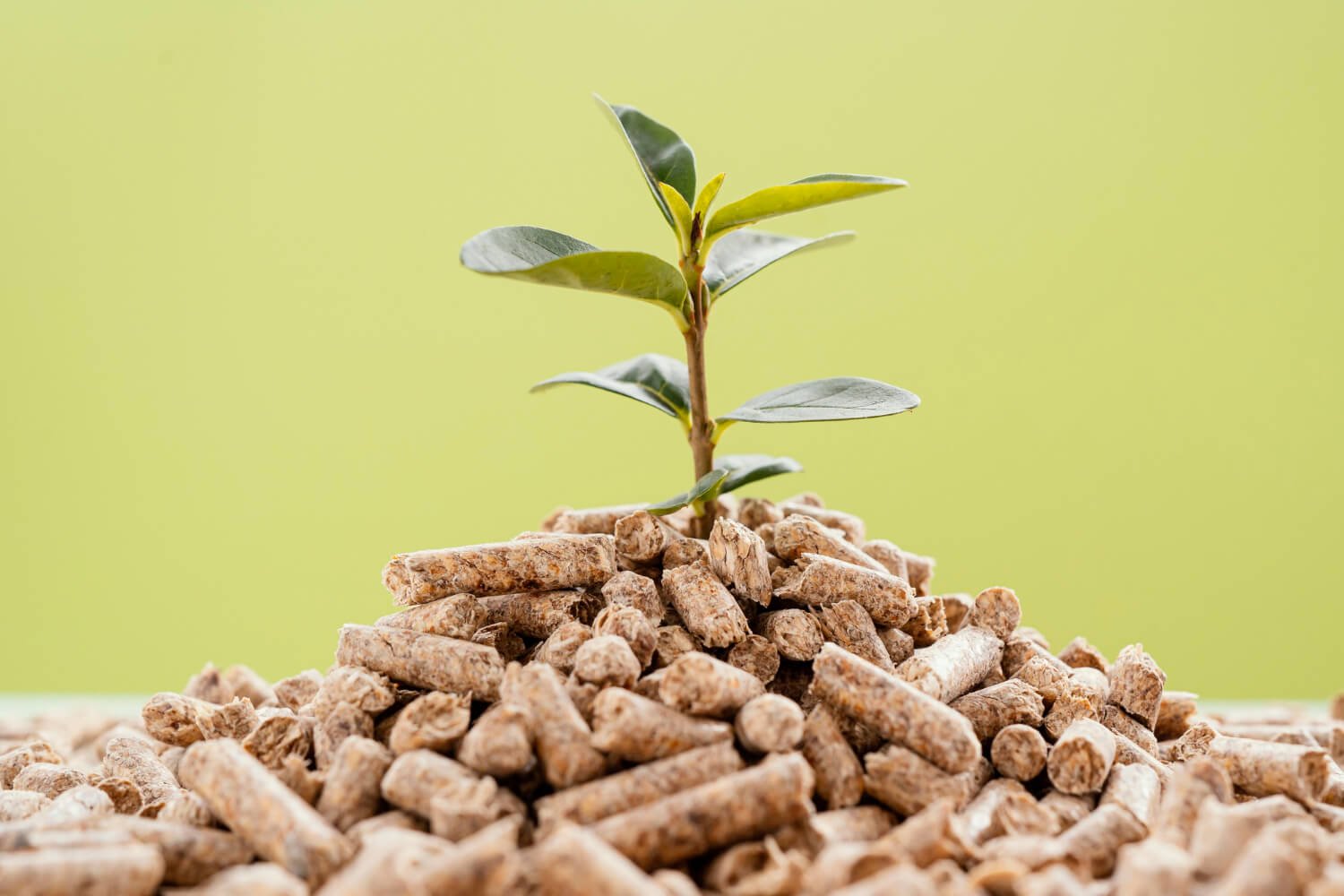
When you hear “renewable energy,” your mind probably jumps to solar panels, wind turbines, or hydropower dams.
But there’s another powerful player quietly driving sustainability across industries—biomass.
It doesn’t get the media spotlight, but biomass is one of the most consistent, scalable, and underrated clean energy sources India has today.
And brands like TWMC are proving that every single day—by turning agricultural waste into fuel that powers industries without harming the planet.
Biomass refers to organic materials—like crop residues, sawdust, and agro-waste—that can be converted into heat or electricity through combustion or processing.
Unlike fossil fuels, biomass is renewable, carbon-neutral, and locally available.
At TWMC, we convert tons of agri-waste into high-density biomass pellets—which are then used by industries as a clean substitute for coal.
Let’s break down why biomass could (and should) become India’s most trusted energy backup:
Unlike solar and wind, biomass isn’t weather-dependent.
India generates over 500 million tons of agri-waste annually—enough to fuel entire industries, if harnessed right.
Biomass supply chains involve farmers, collectors, and rural processors—creating thousands of jobs in villages and Tier-2/3 regions.
When processed properly, biomass emits significantly less CO₂, SOx, and NOx than coal.
TWMC pellets, for instance, meet emission compliance standards across industries.
By monetizing crop residue, biomass offers a real alternative to farmers burning their waste—helping to reduce air pollution and smog in North India.
Modern boilers and furnaces can run efficiently on biomass with minor modifications, making it easy to adopt across sectors like:
Feature | Solar | Wind | Biomass |
Works at Night? | ❌ | ✅ | ✅ |
Base-load Energy? | ❌ | ❌ | ✅ |
Rural Job Creation | Low | Moderate | ✅ High |
Industrial Fuel Replacement | ❌ | ❌ | ✅ |
Relies on Imports? | Often | No | ❌ Never |
Clearly, biomass isn’t just an alternative—it’s a necessity in India’s energy diversification.
At TWMC, we’re not just producing pellets. We’re:
We believe biomass can be India’s bridge between agricultural sustainability and industrial growth.
For biomass to take its rightful place in India’s energy future, we need:
Every pellet counts—and every policy shift can amplify its impact.
While solar shines and wind blows headlines, it’s time India acknowledges the power packed in our agricultural waste.
Biomass isn’t a poor cousin of renewables. It’s the missing link in achieving a sustainable, inclusive, and low-emission energy model.
At TWMC, we’re already betting on biomass.
The question is—will India catch up before it’s too late?
📞 Want to switch to biomass? Let’s talk. Contact TWMC Today →